
From Endurance to Self-Respect
The Tenant of Wildfell HallHelen’s diary charts a shift from interpreting suffering as a duty to recognizing that patience cannot require moral surrender or self-erasure.
increasing Bearing strength in each event
 decreasing
Bearing strength in each eventdecreasingThe Young Idealist

The Young Idealist
Confidence in principle
Helen believes that she will love only a man she can respect. She understands marriage as serious and imagines that her judgment will protect her from an unworthy match.
A hopeful exception
She nevertheless decides that Arthur Huntingdon’s weaknesses can be corrected through affection. Her early confidence becomes part of the painful lesson she records later.
The Burden of Forgiveness

The Burden of Forgiveness
Duty carried alone
Helen excuses Arthur’s selfishness and repeatedly attempts to forgive his absences and excesses. She tells herself that her obligation as a wife requires patience.
Self-respect weakened
Because she takes responsibility for his reform, she begins to blame herself when he refuses to change. Her diary records how endurance can become a way of living with harm rather than overcoming it.
The Recognition of Hatred
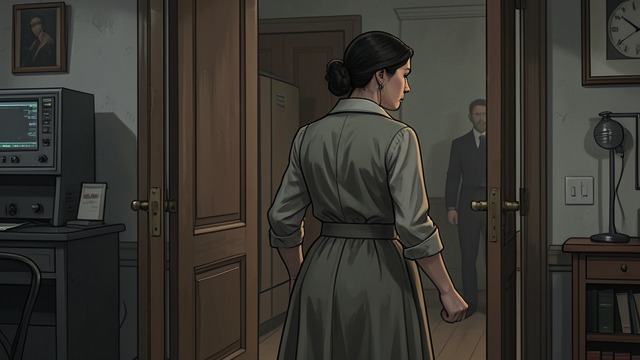
The Recognition of Hatred
A feeling admitted
After discovering Arthur’s affair, Helen writes that she hates her husband. The admission shocks her because she has long understood herself as loving and forgiving.
Moral honesty
Rather than disguise her feeling as virtue, she records it and asks for God’s mercy. Her clarity marks a break from the self-deception that had sustained her marriage.
A Decision to Leave

A Decision to Leave
Suffering no longer accepted as fate
Helen decides that she cannot let her son remain under Arthur’s influence. She plans an escape even though society may condemn her and her husband may retaliate.
Responsibility reclaimed
Her choice is not a rejection of all duty but a recognition of a higher duty to protect her child and preserve her own moral judgment. She accepts the consequences rather than continue self-erasure.
A Chosen Second Beginning

A Chosen Second Beginning
Life after the first marriage
Helen recovers from bereavement and assumes responsibility for her son and inheritance. She has room to consider love without being driven by danger or economic confinement.
Self-respect retained
Her marriage to Gilbert follows an honest recognition of affection and a discussion of practical consequences. The outcome reflects growth: she can love deeply without mistaking self-sacrifice for the sole proof of virtue.
Before her marriage in 1822
1822–1824
Late 1824
Late 1826
After her return to Staningley
